
Why Does My Breath Smell? The Most Common Causes and What to Do
Your teeth twinge when you sip iced coffee. They look a little more yellow than they used to. Now you're wondering: Can my tooth enamel be restored?

Services / Sleep Apnea Therapy
Interrupted breathing at night can affect how you feel all day. Sleep apnea therapy is guided by experienced dental professionals, personalized to your needs, and designed for long-term success. We use custom oral appliances that are professionally fitted to support open-airway breathing, reduce snoring, and provide a comfortable option for sleep apnea treatment without CPAP.
Over 8,000 five star reviews
Locations near you in




Sleep apnea is a sleep disorder that affects how you breathe at night and how you feel during the day. In obstructive sleep apnea, relaxed throat muscles narrow the airway during sleep, making it harder to breathe and disrupting the deep, restorative rest your body needs.
These repeated interruptions can lead to daytime fatigue, morning headaches, or jaw discomfort, even when sleep study results appear mild.
Your oral structure plays an important role in airway health. Crowded teeth, a narrow palate, or teeth grinding can all affect airflow while you sleep. Our dentists are trained to recognize these early signs during routine visits and guide you toward clear answers, so you can better understand how your oral health connects to your sleep.
Once diagnosed with sleep apnea, many patients undergo treatment with a Continuous Positive Airway Pressure (CPAP) machine. Tend offers a personalized alternative with oral appliance therapy. These custom oral appliances support open-airway breathing, reduce snoring, and promote comfortable, restorative sleep, with ongoing care and support to help ensure long-term success.
You might have sleep apnea if you experience:
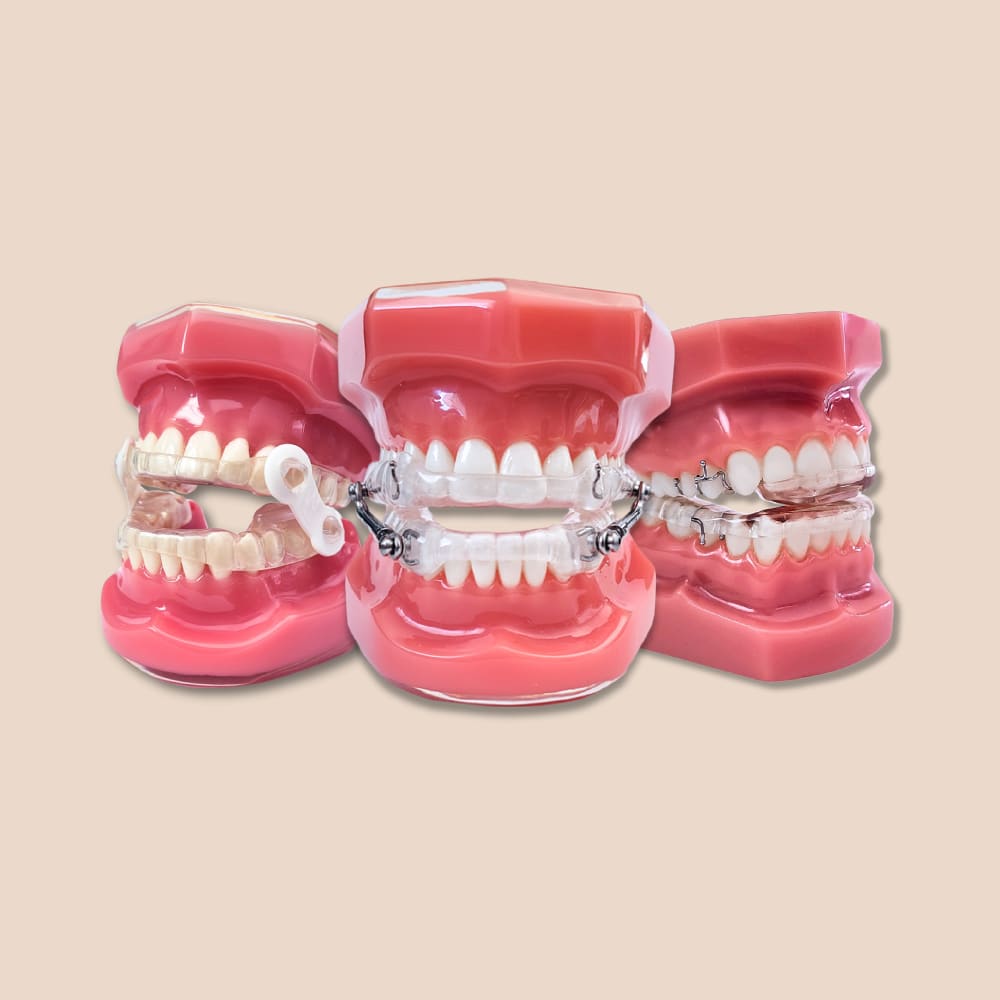
Oral appliance therapy is a sleep apnea treatment that uses custom, FDA-approved oral devices to maintain an open airway during sleep. These devices gently position the jaw and tongue forward to help reduce snoring and breathing disruptions, supporting obstructive sleep apnea treatment during sleep.
Your sleep apnea dental appliance is carefully fitted by one of our expert dentists for comfort and effectiveness. Using cutting-edge technology and precise digital design, we create appliances tailored to your mouth and sleep needs because better tech means better treatment. Compact and electricity-free, they’re a convenient option for mild to moderate sleep apnea, CPAP-intolerant patients, or anyone seeking sleep apnea treatment without the use of a CPAP machine.
Oral appliance therapy is part of our Open Airway Journey, a dentist-guided approach that may also include nightguards, TMJ or jaw pain support, and open-airway therapy concepts, all designed to support healthier breathing and more comfortable sleep.

If you’ve been dealing with sleep apnea, treatment could take you from struggling to find the energy to get through each day to enjoying life with renewed energy and vitality.
With successful treatment, many patients with sleep apnea quickly begin to notice they’re waking feeling more refreshed, thinking more clearly, and showing up more fully in their day, whether that’s staying focused at work or having the energy to enjoy time with family.
Better sleep gives your body what it needs to thrive. Over time, effective treatment can even help improve long-term health by reducing the risk of conditions associated with poor sleep, such as high blood pressure, heart disease, and type 2 diabetes.
For many patients, sleep apnea treatment is a meaningful step toward a healthier future.
Guided by our dentists, the Open Airway Journey takes you from initial evaluation and sleep testing through custom oral appliance treatment and ongoing support, all designed to help you breathe easier, smile brighter, and sleep more comfortably.
Step 1
Your Open Airway Journey begins with a comprehensive exam and non-invasive digital scans. We’ll review your symptoms, oral health, and airway indicators, then guide you on next steps, including an online questionnaire and a referral for a sleep study if appropriate.
Step 2
You’ll meet with your board-certified sleep doctor through a convenient virtual consult. Together, you’ll review your symptoms and arrange an at-home sleep test for an accurate diagnosis, without the need for overnight sleep clinic stays.
Step 3
Complete your sleep test from the comfort of home over 1 – 2 nights, no overnight stays at a sleep clinic. Afterward, you’ll review your results with your sleep doctor to confirm whether obstructive sleep apnea or another sleep-related breathing issue is present.
Step 4
If sleep apnea therapy is recommended, you’ll review oral appliance therapy options with your sleep doctor, including sleep apnea dental appliances designed to support open-airway breathing. You’ll also discuss medical insurance coverage, budget, and whether sleep apnea treatment without CPAP is right for you.
Common oral appliance options may include the Herbst appliance, the Aligner Sleep Appliance® (ASA), or an Elastic Mandibular Advancement (EMA) appliance.
Step 5
You’ll return to Tend for a final dental exam and digital scans. These scans are used to make your custom oral appliance without the need for messy or inaccurate at-home impression kits. Your custom oral sleep apnea appliance is designed for comfort, proper fit, and effectiveness.
Step 6
Once your appliance is ready, you’ll come in for a fitting. Ongoing follow-ups allow us to make adjustments as needed and ensure your appliance continues to support healthy breathing, reduce snoring, and improve sleep quality over time. We consider this an important part of our commitment to tending to your well-being.
Step 7
As treatment progresses, patients often notice quieter nights, reduced snoring, improved breathing, and more restful sleep. Some also experience fewer morning headaches, less daytime fatigue, and reduced jaw tension or teeth grinding. Your dentist will continue to monitor your progress and adjust care as needed, helping you get the most benefit from your Open Airway Journey.
Ask us how Tend can help you breathe easier, sleep better, and feel healthier.
Book NowWe’ve answered some of the most common questions we get about sleep apnea treatment with oral appliances, so you can feel informed and at ease as you start your Open Airway Journey with us.
Common signs of sleep apnea include loud, chronic snoring, pauses in breathing during sleep, gasping or choking during sleep, morning headaches, and ongoing daytime fatigue. Some people also experience jaw pain, teeth grinding (bruxism), or difficulty concentrating during the day.
A sleep study is typically used to confirm a diagnosis. If you or your partner notice these symptoms, a dentist-led evaluation can help determine whether sleep apnea therapy or another treatment may be appropriate.
Our team focuses on dental care for the whole you, helping connect oral health with your overall well-being.
Snoring is the sound of partially restricted airflow during sleep, while sleep apnea involves repeated breathing pauses that disrupt oxygen levels and sleep quality. Not everyone who snores has sleep apnea, but loud, frequent snoring can be an early sign of airway obstruction.
Both snoring and sleep apnea may benefit from dental sleep apnea treatment, including custom oral appliances designed to support open-airway breathing and reduce nighttime disruptions.
Sleep apnea occurs when the airway becomes blocked or narrowed during sleep. The most common form, obstructive sleep apnea, happens when the throat muscles relax too much and restrict airflow.
Several factors can contribute, including jaw position, tongue size, airway space, age, weight, and genetics. Oral features like a narrow palate, crowded teeth, or teeth grinding can also signal airway strain. During your visit, we’ll review these factors and discuss whether oral appliance therapy could support your breathing during sleep.
Sleep apnea therapy is available at all Tend Dental studios.
We offer oral appliance therapy as part of Tend Dental’s modern, mindful dental care approach, connecting oral health with sleep wellness in a supportive and soothing studio environment.
You might be a good candidate for sleep apnea therapy if you’ve been diagnosed with mild to moderate sleep apnea or prefer not to use CPAP because traditional devices are uncomfortable or difficult to manage. Dental sleep apnea treatment can also be effective for those who snore regularly or have issues like teeth grinding (bruxism), TMD/TMJ or jaw pain, or jaw tension connected to nighttime breathing problems.
That said, not everyone’s needs are the same. Candidacy for oral appliance therapy is determined through a dentist-led evaluation and coordination with a sleep doctor, often including a sleep study. At Tend Dental, we take a thoughtful, comfort-first approach to help you understand your options and decide what type of care is right for you.
Medical insurance may help cover portions of sleep apnea care, though coverage can vary depending on your plan, provider, and the type of treatment recommended.
Home sleep testing
Sleep physicians are typically in-network with many major medical insurance plans. Some plans may cover a significant portion of the cost of a home sleep test, depending on your benefits, deductible, and copay requirements. Our team can help you understand how your medical benefits may apply and discuss estimated costs related to testing. Final coverage and reimbursement decisions are determined by your insurance provider.
Oral appliance therapy
Oral appliance therapy is provided by your dentist. Most dental offices, including our Tend studios, are not part of medical insurance networks.
If you have a PPO (Preferred Provider Organization) medical plan with out-of-network benefits, our team may be able to submit claims to your insurance provider on your behalf, which is common with many major medical insurance carriers. Medicare and many HMO (Health Maintenance Organization) plans may not include out-of-network coverage for oral appliance therapy.
Coverage amounts and reimbursement can vary based on your plan, deductible, and eligibility requirements, so exact coverage cannot be guaranteed in advance. Your Tend dentist can help you understand how your benefits may apply, review estimated costs, and assist with claim submission and required documentation related to your treatment.
No referral is needed to begin. You can schedule an initial consultation, where we’ll review your symptoms, oral health, and airway indicators.
If diagnostic testing is needed, we coordinate with a sleep doctor to support an accurate diagnosis and determine whether sleep apnea therapy may be appropriate. With seamless online booking, getting started is simple.
CPAP stands for Continuous Positive Airway Pressure. It's a breathing machine that pumps air through your airway with a mask that needs to be worn overnight. CPAP machines have been the traditional treatment for sleep apnea, helping keep your airway open while you sleep by delivering a steady stream of pressurized air.
However, new advances in sleep apnea treatment, like oral appliance therapy, can be just as effective and far more comfortable for many patients. If you're exploring treatment options or struggling with CPAP, talk to your dentist about whether oral appliance therapy might be a better fit for your needs.
CPAP and oral appliances are both proven options for sleep apnea treatment. Sleep apnea dental appliances are custom-fitted devices worn during sleep that gently reposition the jaw to help keep the airway open.
Many patients prefer oral appliances because they’re quiet, portable, comfortable, and don’t require electricity. For those seeking sleep apnea treatment without CPAP, oral appliance therapy can be an effective option, depending on your diagnosis and sleep study results.
In many cases, yes, you can improve your sleep and your smile at the same time. At Tend, we design treatment plans that support both, so you don’t have to choose between feeling more rested and feeling more confident in your smile.
Your dentist will coordinate both treatments carefully to ensure everything fits comfortably and works as intended, so you can move forward with both without compromising results. OAT and clear aligners together mean you can look forward to a healthier smile and a healthier sleep.
Disrupted sleep doesn’t just cause fatigue. It’s linked to a number of serious health risks. Ongoing sleep disruption, especially from conditions like sleep apnea, is associated with high blood pressure, heart disease, type 2 diabetes, and weight gain. It can also impact mood, increase anxiety, and make it harder to focus and manage stress. These issues can have a profound impact on your career, family life and general well-being.
Because these effects build over time, they’re not always immediately connected to sleep. But when disrupted sleep is addressed, many people begin to experience improvements in energy, mental clarity, and overall well-being.
Resolving sleep apnea can improve quality of life by restoring more consistent, restorative sleep, leading to better energy, clearer thinking, and improved focus during the day. Many people also experience improved mood, reduced anxiety, and a greater sense of overall balance.
Over time, treating sleep apnea may also help reduce the health risks linked to poor sleep, including high blood pressure and heart disease. For many patients, the result is simple but meaningful: more energy for daily life and the ability to show up more fully at work, at home, and for themselves.
For many patients, treatments like CPAP and oral appliance therapy (OAT) can lead to meaningful, even life-changing improvements when used consistently.
In many cases, yes, insurance may still cover oral appliance therapy (OAT) even if you already have a CPAP machine.
Coverage depends on your specific medical plan, but commonly:
Our team will work with your sleep doctor and insurance provider to help you understand your benefits and navigate the process.






Your teeth twinge when you sip iced coffee. They look a little more yellow than they used to. Now you're wondering: Can my tooth enamel be restored?
Your teeth twinge when you sip iced coffee. They look a little more yellow than they used to. Now you're wondering: Can my tooth enamel be restored?
Your teeth twinge when you sip iced coffee. They look a little more yellow than they used to. Now you're wondering: Can my tooth enamel be restored?