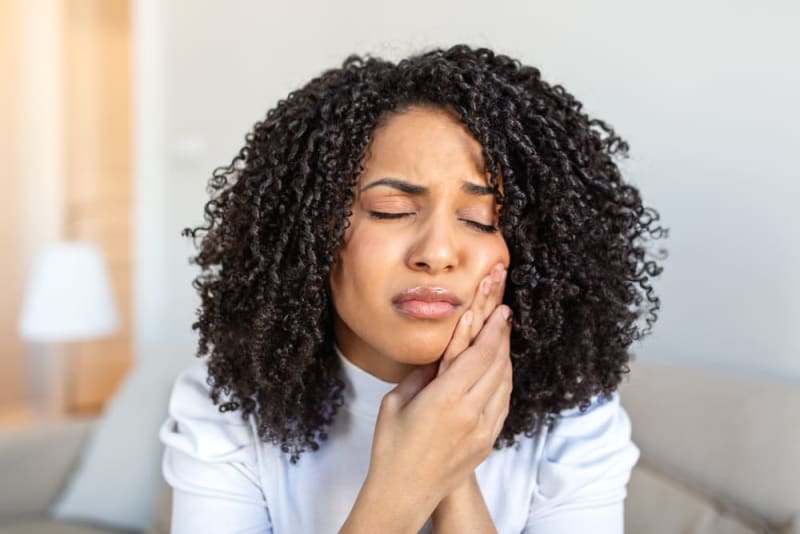

Why do braces hurt? Understanding the causes of braces pain
If you’ve ever wondered why braces can feel uncomfortable, you’re not alone. Discomfort is a normal part of the process as your teeth shift into a healthier, straighter position.
Learn some of the causes of dental symptoms and conditions, and how our team at Tend Dental treats them.
If you’ve ever wondered why braces can feel uncomfortable, you’re not alone. Discomfort is a normal part of the process as your teeth shift into a healthier, straighter position.
Discover how Tend offers Perio Protect trays, a simple and effective at-home treatment for gum disease. Book your dental exam today.
Curious about injectables for jaw pain? Here’s everything to expect from your first masseter treatment—before, during, and after—with expert guidance from Tend Dental.
If you wake up with sore jaw muscles, tension headaches, or worn-down teeth, chances are you’re grinding your teeth—often without even realizing it. This condition, known as bruxism, affects millions of people and can lead to significant discomfort and dental damage over time.
If you’re living with chronic jaw pain, frequent headaches, or difficulty chewing, you might be experiencing symptoms of a TMJ disorder. TMJ, or temporomandibular joint disorder, occurs when the joints and muscles controlling jaw movement become strained or misaligned, often leading to significant discomfort.
Whether you're having a wisdom tooth removed or need a badly damaged tooth extracted, knowing what to expect can ease anxiety and help you prepare for a smooth, stress-free experience.
You’ve probably heard of gum disease, or gingivitis (thanks, mouthwash ads), and you know it’s bad. But you might not know exactly what it means—and what can happen if it’s ignored.
If you have gingivitis or periodontitis, a normal cleaning won’t be helpful. It can actually be harmful by allowing bacteria to remain trapped below your gums.
Periodontitis affects over 47% of adults over 30 in the United States, and it can lead to tooth loss. Yet few people know what it is or how to treat it.
8% of adults grind their teeth, but most have no idea about the long-term consequences.